Across age-old chronicles,
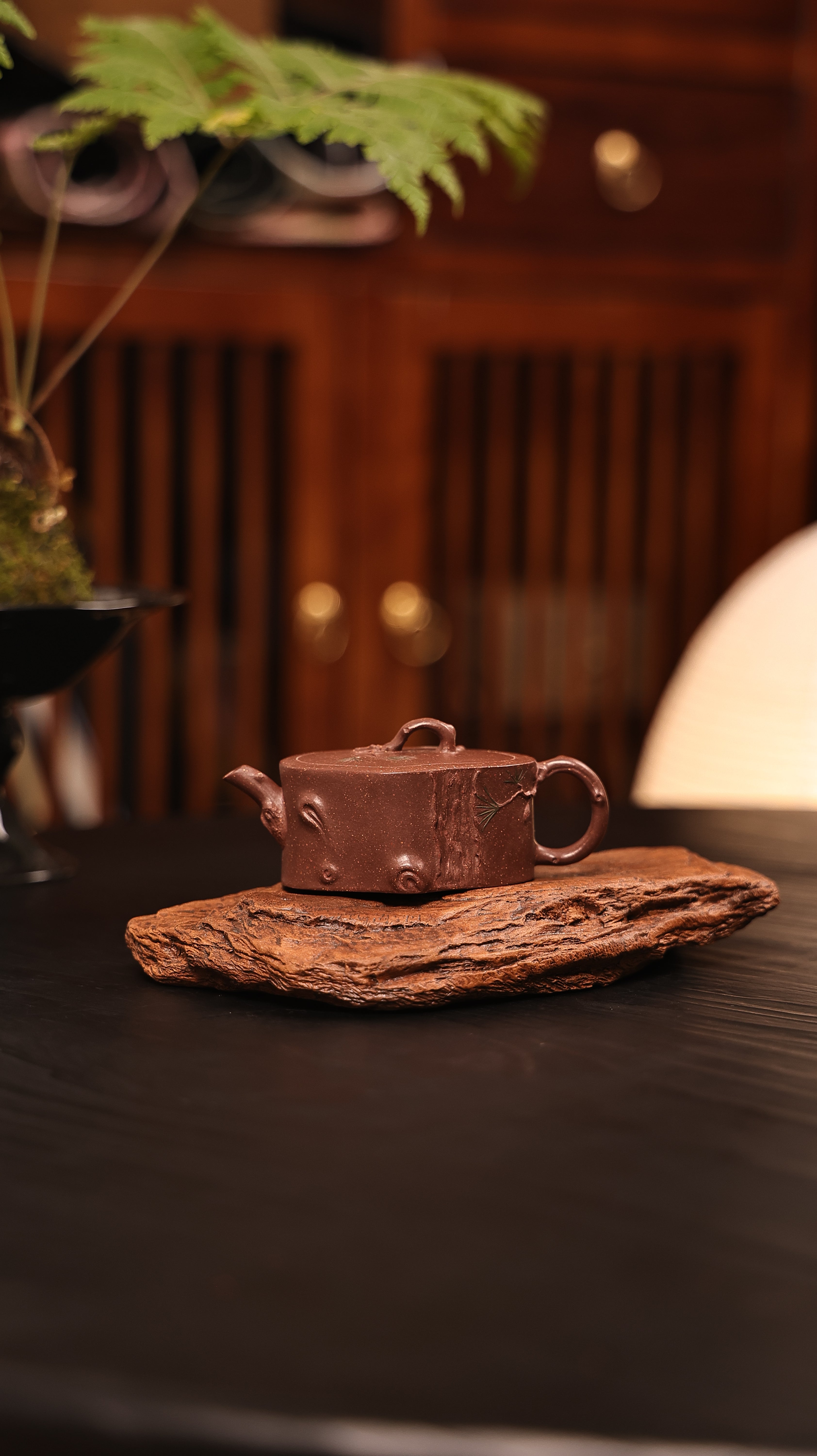
For epochs, aficionados have been enthralled by the unique charm of Yixing Zisha vessels. Originating from the area of Yixing in the Jiangsu Province, these artifacts are renowned for their preeminent beauty, extraordinary clay, and congenital ability to improve the savor of the beverage. The element's distinctive auburn hue, combined with the skillful workmanship of local artisans, creates items that are and functional designs and cherished valuables. Possessing a Zisha teapot is more than just certain purchase; it's seizing a rich ancestral heritage.
Investigating Yixing Teapots: Ancestry, Styles, and Cost
Famous Yixing teapots symbolize a vast chronicle deeply intertwined with Chinese culture. Rooted in the Yixing region of Jiangsu province, these clay vessels feature a heritage connecting back to the Ming Dynasty. Preceding examples were functional, but along centuries, Yixing teapot creation evolved into an esteemed art form. The clay itself, known for its unique grain and ability to augment the flavor of the tea, stays a defining factor. Yixing teapots exist in various styles, broadly categorized by shape: Historic such as Zhuni (purple clay) and Bisheng, as well as refined designs. The esteem of a Yixing teapot rests on several factors, including the potter’s renown, the age of the piece, Yixing Teapot the rarity of the clay, and its aesthetic quality.- History: Historic epoch
- Composition: Diverse kinds
- Assessment Factors: Scarcity
Art of Zisha Pottery: Technique and Makers
One construction of a genuine Zisha teapot is a elaborate process, requiring long spans of skill. Proficient artisans meticulously procure the highest quality Zisha clay, a singular earth found only in specific regions of China. Longstanding techniques, often transmitted through families, involve rigorous shaping, fine carving, and gradual firing in ancient incinerators. The concluding teapot isn't merely a vessel; it's a testament to inventive vision and the significant connection between the sculptor and their ancestry. Each piece showcases the singular touch of the artisan, resulting in a truly singular work of expression.
A Teapots: Delving into the Vast Inheritances of Yixing Area
Yixing, found in Jiangsu the province of Jiangsu, is extensively renowned for its exceptional clay pots – a tangible representation of centuries of Chinese craftsmanship. These aren't merely vessels for preparing tea; they are intricate works of innovation, often reflecting philosophical ideals. That unique purple clay, known as Zisha, possesses uncommon qualities: it is dense, letting air through, and imparts a subtle taste to the tea.
- Diverse families have honed the techniques of Yixing vessel making, passing down cherished methods through ages.
- Devotees prize these pieces for their charm and uniqueness.
- Various piece tells a history, connecting the imbiber to a rich foundation.
Considering Yixing Zisha: What to Look For
In the process of assessing investing in Yixing Zisha clayware, numerous parameters involve careful scrutiny. Initially, the substance's cast is significant; authentic Zisha usually exhibits a characteristic carmine depth. Also, evaluate the craftsmanship; precise markings and a sleek coating signify proficient craft. Concluding, consider the artist’s history; esteemed names bring elevated costs and often deliver a stronger yield.
Brewing Excellence with Zisha Teapots
Steeping savory tea with a Zisha urn is more beyond a simple procedure; it's an mastery. Zisha clay, famous for its unique geological composition, imparts a delicate character to the brewed tea that’s often lacking with other devices. The appropriate water climate is imperative; typically, less intense than what's used for black tea, to keep the tea's scent and taste. Consider carefully the tea form; delicate green teas or aged pu-erhs improve from the Zisha’s ability to ease their innate edge. It’s significant to warm the teapot earlier than brewing, and to shun over-steeping. Mastering this method leads to a authentically exceptional tea experience.
- Realizing Zisha Clay
- Heat Intensity & Tea Category
- Role of Pre-treatment
Preserving Your The Kettle
To ensure secure the longevity of your adored Yixing kettle, consistent care is critically necessary. Eschew using chemical cleaners; instead, delicately bathe it with tepid water. Escape significant swings; please don't place the container directly onto a heated stand. Periodically, mature the container by immersing it with high-quality fermented tea, as this facilitates to enhance its nature and safeguards the special charm of the element.
About Element to Container: The Transition of a Purple Kettle
The creation of a Zisha teapot is a impressive process, a proof to both nature's bounty and the ability of the handworker. It commences with the thorough extraction of the unique clay from the magenta Zisha mines by Yixing. This unfired material, known for its remarkable essences, is then gradually filtered and organized for the primary forming. The jug's silhouette is carefully developed using a aggregation of ancient modeling systems, often incorporating sophisticated embellishments. Following maturing, the urn undergoes a paramount first firing, succeeded by a finishing stage, which might involve a series of layers of pure Zisha slips. Finally, a second, and sometimes third, firing at extreme temperatures finalizes the product, revealing its finished beauty and exceptional characteristics - a genuine masterpiece, prepared to adorn a tea practice.
{Yixing Teapots: A Reflection of a Customary Practice and Appreciation
The Yixing region teapots, originating from the well-known Yixing region of Jiangsu province, are far more than mere receptacles for brewing elixirs; they represent a meaningful aspect of Chinese civilization. Fabricated from distinctive purple clay – zisha – these special teapots are highly admired for their ability to amplify the flavor of the tea and, crucially, for their splendor. The history of Yixing teapot making spans centuries, and the skill involved is passed down through generations, making each teapot a work of art that embodies ancient techniques and a profound appreciation for the understated pleasures in life.