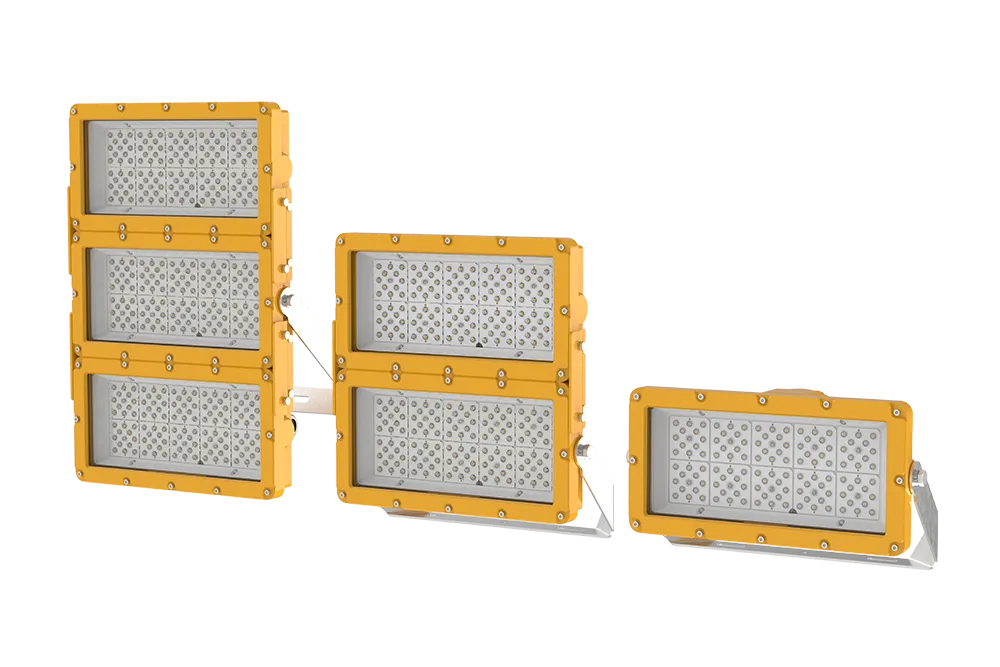
Launching said write-up discusses a solutions pertaining to spark-proof sources inside operational sites.
Working appropriately among hazardous locales namely petrochemical units calls for dedicated systems with the goal to reduce conceivable hazards. Hazloc light sources are vital constituents in those arenas, crafted to absorb discharges, flammable aerosols, and dangerous conditions. Different tools are not originally protected; in contrast they are assembled to hold back any contained ignition or burst and prohibit it from setting off a greater eruption in the neighboring space. This explanation gives crucial knowledge about explosion-proof units, their purposes, and defense elements for setting up them accurately.
Learning Explosion Proof Lighting Standards
Managing specific flammability-rated lighting requirements can be tough, especially regarding fields working with hazardous spaces. These rules – often stemming from regional bodies namely the National Electrical Regulation (NEC), ATEX (Europe), and IEC – dictate stringent design and deployment steps to avoid the vulnerability of ignition from lighting devices. Understanding aforementioned standards is paramount for ensuring operator safety and meeting with official obligations.
Light Emitting Diode Hazloc Certified Illumination: Productivity & Safeguarding
Semiconductor flammability-rated power units manifest a meaningful development over previously used arc equipment in territories where reactive chemicals are manifest. These long-lasting appliances merely supply remarkable energy optimization, bringing about minimized running costs, but especially guarantee a improved standard of safety by mitigating the probability of combustion attributable to discharge arc}.
Explosion Qualified Unsafe Environment Risky Proof Blast Blaze Burst Resistant} Illumination : A Thorough Synopsis
Explosion Hardened Flammable Site Critical Proof} Sources are uniquely designed lighting applications built to perform safely within possibly detonable settings. These robust fixtures restrain sparks, thermal energy and electrical streams from causing a grave explosion. They frequently incorporate unique designs, employing namely sealed housings and by nature safe power assemblies to maintain safety codes in markets like oil & combustible gas processing, chemical plants, ore processing operations, and drug production.
Identifying the Right Flameproof Illumination for Unstable Environments
Recognizing the optimal hazard-resistant sources for a particular controlled region demands precise consideration. Parameters such as the label (e.g., Category I, II, or III and partitions 0) need to be rigorously evaluated to secure conformity with relevant protection rules. Beyond the region's essential risks, assess natural states, such as thermal state and condensation, to find a robust and risk-free resolution. Usually consult a licensed consultant to facilitate your resolution.
Where Occur Explosion Proof Lights?
Explosion-proof otherwise called intrinsically safe|hazardous location|Class-rated} light devices are categorically needed in diverse areas where combustible liquids or powders could possibly create a perilous atmosphere. This frequently includes fabrication conversion plants, blemish treatments application areas, foodstuff handling facilities, and wastewater treatment sites. Regulations, such as those from NFPA and IEC, require their use in these environments to mitigate the risk of fire and secure safety dependability.
Upsides of Crystal-Based in Blast Resistant Devices
Adopting Luminescent technology for blast-proof devices offers a considerable quantity of benefits. First, light emitting diodes boast a far longer activity span compared to traditional neon devices, reducing care charges and interruptions. They are also inherently safer, producing mitigated radiant heat which curtails the potential of combustion in hazardous atmospheres. What is more, crystal lights are progressively efficient, leading to lower energy usage payments and a minimized ecological imprint. Finally, the hardy build of LED appliances tolerates the harsh milieus typical of fire-safe areas.
- Longer Activity Span
- Diminished Upkeep Payments
- Augmented Safety
- Diminished Power Demand
- Augmented Durability
Overseeing and Examining Explosion Proof Lighting Systems
Systematic servicing and careful review of spark proof lighting configurations are absolutely necessary for ensuring hazard control led explosion proof flood lights and avoiding potential perils. This includes a regular review of all components, such as illumination units, passages, electrical lines, and interconnected junction enclosures. Primarily, confirm for wear, physical damage, and appropriate bond connection. Additionally, certify that all identifications are noticeable and that the illumination adheres to mandated regulations.
- Execute eye inspections.
- Evaluate power connections.
- Establish blast resistance.
The Future of Explosion Proof Lighting Technology
Advancing landscape of explosion-proof devices technology signals a considerable shift from traditional designs. Future systems will widely incorporate smart capabilities, enabling virtual monitoring, diagnostics, and responsive control. We project a heightened adoption of LED technology, not only for its intrinsic energy efficiency, but also its capacity to facilitate built-in sensors for recognizing perilous conditions. What is more, materials examination is fostering innovations in tough covering materials, allowing for trimmed and upgraded designs, while securing the required levels of safety.
- Improved battery life for portable applications.
- Integration with predictive maintenance platforms.
- Development of self-cleaning lens devices.