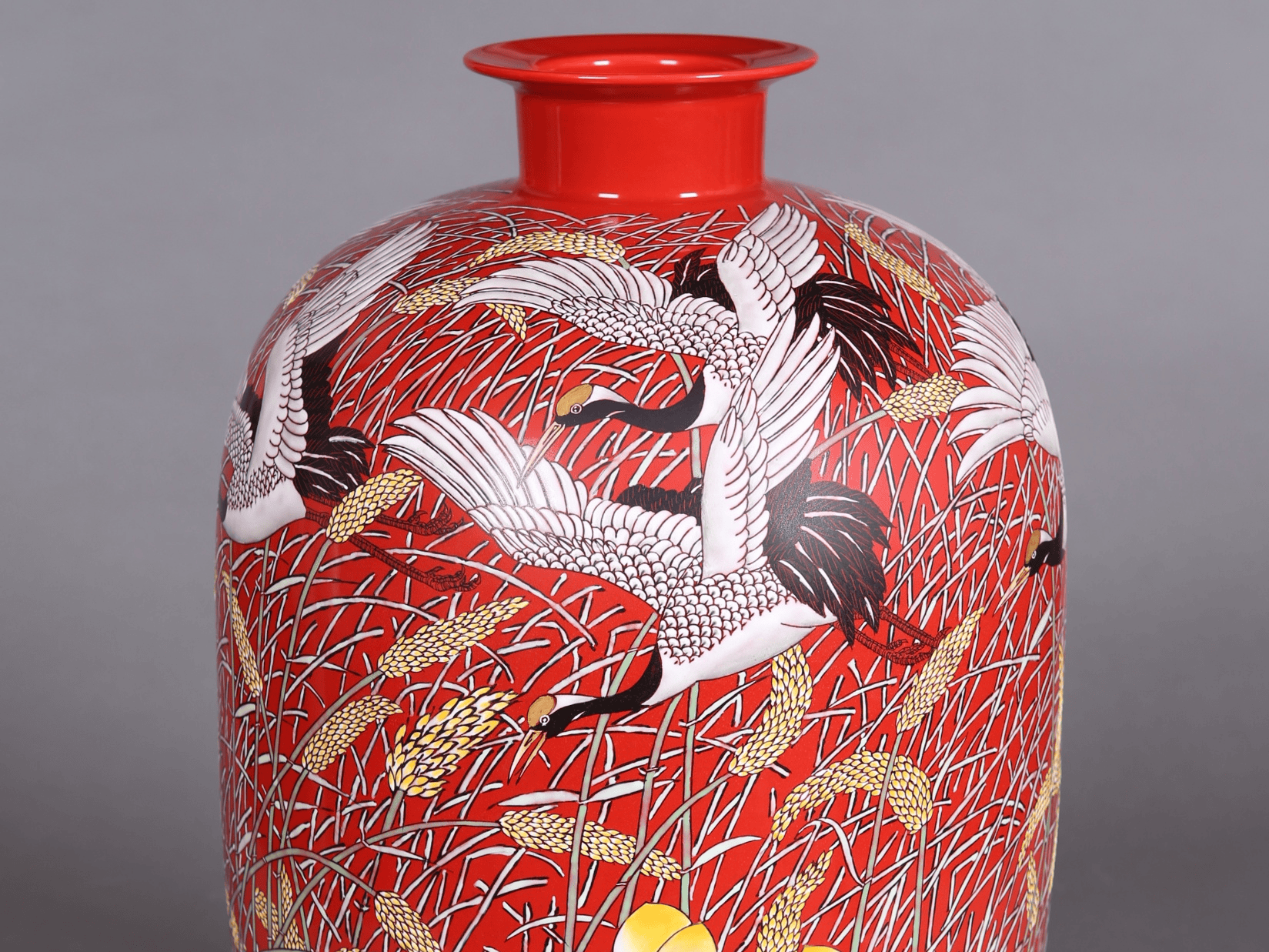
Clay carving expresses a notable field form with a prolonged record, spreading back numerous of generations. From ancient canisters to contemporary placements, the component offers unparalleled possibilities for creative demonstration. Sculptors utilize different techniques – including molding, wheel manipulating, and enhanced firing processes – to mold humble mud into captivating three-dimensional sculptures. The robustness of fired ceramic also contributes to its status as a truly significant part of human history.
Delving into Stoneware Tablet Configurations and Strategies
The sector of ceramic tile design offers a expansive array of imaginative possibilities. Artisans often apply a integration of ancestral and up-to-date techniques to develop visually bold pieces. These can move from simple, shaped reliefs to complex, multi-layered compositions. Common methods include mold making, manual forming, coating application – which can involve diverse modes like initial glaze painting, overglaze decoration, and scratched design where designs are revealed by scraping a layer of sheen. Expanded research into overlay methods such as cold firing and metallic glaze can create truly one-of-a-kind and individualized ceramic boards.
- Shape Forming - Fabricating pieces using a template
- Forming by hand - Manually manipulating the terracotta
- Surface Finishing - Layering the face with a glass-like finish
- Carved drawing - Bringing out designs by taking away layers
Entrancing Experiences: Porcelain Art Exhibits
The progressing landscape of design presents exciting innovative avenues for guests, and ceramic art installations are at the pinnacle of this shift. These aren't just static statues; they are fashioned to envelop the observer in a sensory space. Imagine moving inside a forest of towering, textured ceramic trees, or navigating a cluster of fine ceramic vessels. Many producers are now incorporating tones, illumination, and even essence to enhance the impact of their work. Visualize the power of a room filled with hundreds of carefully ceramic artifacts, each telling a account. Typically, such installations study themes of nature, nostalgia, and humanity.
- The described installations blur the lines between craft and architecture.
- Participating in a ceramic art installation can be a deeply personal journey.
- Craftsmen are transporting the constraints of what is realizable with clay.
This Splendor of the Clay Jar: Meaning and Structure
The terracotta pot represents a notable conjunction of functionality and decorative appeal. Historically, these vessels served a minimalist assignment in holding plants, but their advancement has transformed them into highly valued works of art. Each object showcases the mastery of the builder, demonstrating how design can be as vital as utility. The careful shaping, the special glazes, and the full presence of a masterfully-crafted pot can improve a space, offering both splendor and a soft reminder of the creative hand.
Up-to-date Stoneware Design : Extending Horizons
Up-to-date terracotta model represents a fascinating shift from classic practices. Makers are vigorously challenging with modern procedures, blurring the distinctions between ceramics and diverse expressive realms. From massive installations to complex miniature pieces, mentioned works scrutinize themes of background while concomitantly redefining the very of what clay can be. The resulting is a dynamic landscape of artistic expression.
Ceramic Plaque: Preserving Annals in Brick
Brick plaques offer a exceptional method for commemorating significant events and personalities. In contrast to traditional metal or stone markers, these lasting pieces of creation are formed from cooked clay, creating a concrete link to the bygone era. Often, they illustrate intricate models or precisely drawn imagery, expressing stories that might otherwise be ignored. Such technique, originating in ceramic art installation ancient civilizations, provides a lovely and eternal way to pay tribute to our collective legacy.
- They can be established in collective spaces.
- Countless are now deemed historical wonders.
Porcelain Art Exhibits: Altering Spaces
Terracotta art installations are developing a significant medium for artisans to remodel public and private venues. These immersive compositions frequently involve extensive clay forms that draw viewers, transforming their understanding of the engineered environment. By adopting diverse techniques like modeled construction and sophisticated firing tactics, ceramic artists construct truly distinctive experiences, breaking down the divisions between form and structure. The effectiveness is often a emotional transformation that improves the aesthetic quality of the site and fosters interaction.
From Rotating Wheel to Wonder: The Method of the Brick Urn
The journey of a brick container from a simple lump of dirt to a complete work of expression is a testament to human ingenuity. Previously, the process kicks off with the potter’s turntable, where the expert artisan molds the revolving terracotta into a cylindrical structure. This beginning stage demands exactness and a acute eye, followed by a delicate hardening period. Once initially cooked, the receptacle is ready for embellishment, which may engage decorating intricate patterns, sculpting detailed illustrations, or applying a selection of enamels. The closing firing process then changes the creation into a durable and pleasing vase, a tangible example of the creator's commitment.
Sculpting with Earthenware: A Manual to Stoneware Project
Surveying the world of clay work begins with learning the tenets of molding with clay. The technique necessitates deliberately incorporating and chiseling volume to create three-dimensional objects. Whether you're a novice or a experienced craftsperson, trying with several types of terracotta – specifically pottery – will advance you identify your special manner. In conclusion, porcelain shaping is a worthwhile quest that joins expert proficiency with original communication.