Starting an extensive overview pertaining to mechanized systems fabricated purposed for deburring feature changed construction procedures, delivering notable improvements about efficiency and grade. The following discusses the multiple types of equipment, containing scrubbing polishing machines, oscillating units, and advanced robotic solutions. We will outline the benefits of adopting these solutions, featuring lower human resources costs, higher item uniformity, and improved workshop performance.
Edge Chamfering Devices: Definite Refining Illustrated
Outline deburring devices offer a state-of-the-art solution for achieving exact polishing on objects. Unlike manual approaches, these intelligent units deliver equal effects and notably elevate production effectiveness. Those units usually adopt mixed cutting devices like whirling wheels, smoothing discs, or exclusive outlines to remove sharp edges and protrusions. This type of activity is essential in a vast array of areas, featuring transport and electromechanical.- Refine coating caliber
- Decrease workshop expenditures
- Amplify turnover and operation
Byproduct Disposal Apparatuses: Securing Pure, High-Quality Appearances
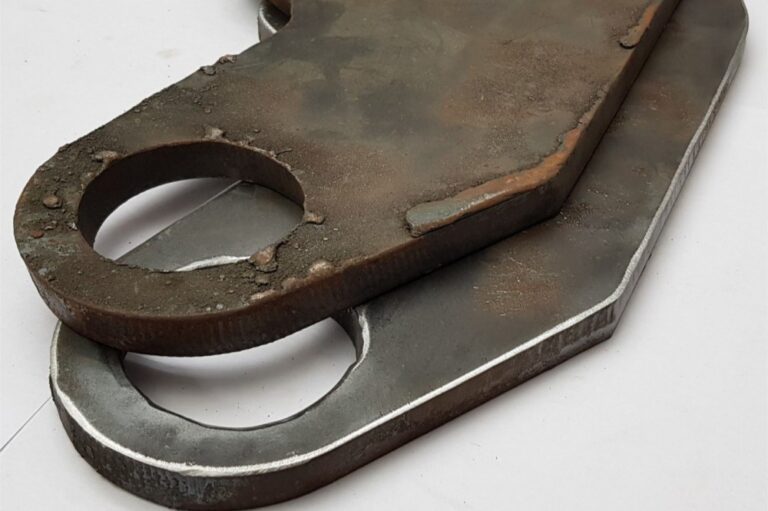
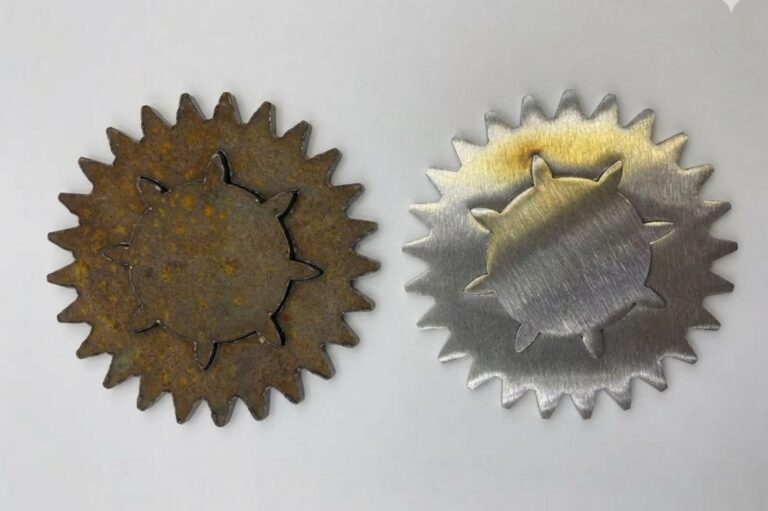
Recent metal processing activities habitually generate significant amounts of slag, a byproduct that, if ignored, can severely reduce the standard of the end result. Fortunately, advanced slag removal machines offer a dependable solution. These dedicated machines, employing techniques like blasting, are designed to completely eliminate this unwanted material, ensuring a unblemished and exceptional surface. The resulting gains include decreased rejection rates, improved aesthetic appeal, and an overall surge in manufacturing speed. By utilizing modern slag removal technology, manufacturers can consistently deliver top-tier surfaces and match stringent benchmarks.
Metal Panel Treatment: The Benefits of Deburring Equipment
Realizing a top-level finish on sheet metal units is vital for reliability, and deburring appliances provide important upsides over manual methods. Eradicating burrs efficiently not only elevates the overall quality of the entity, but also minimizes expected failures during putting together and deployment. Furthermore, digital deburring techniques raise production velocities and reduce staff spending.
Maximizing Sheet Metal Production with Automatic Deburring
For the purpose of improve capability in sheet metal manufacturing, implement automatic deburring technologies. Classic deburring is frequently drawing-out and liable to errors. Utilizing automatic deburring delivers meaningful benefits, like curtailed labor costs, superior assembly standards, and increased output volumes. These spending will promptly break even.Electing the Ideal Deburring Apparatus for Your Operation
Selecting the best deburring system for your individual needs entails a precise assessment of several features. Initially, assess the category of component you're tackling – alloy requires varied techniques than plastic. Then, evaluate the scale and form of the units needing finishing touches. In the end, weigh your throughput size; a significant operation demands a custom type of machine than a low-volume one. Failing to account for these aspects may result in suboptimal results and higher costs.
Edge Unit Process: Progressions and Improvements
Contemporary edge trimming device method is witnessing rapid change, driven by the calls for for augmented exactness and throughput in fabrication operations. Central progressions contain the embedding of smart solutions for elastic burr removal procedures, alongside developments in abrasive device. We're besides noticing a growth in portable finishing machines designed for specialized processes, and fresh techniques like mechanical burr elimination are receiving support. The trend indicates towards expanded linkage of edge-removal mechanisms within the intelligent factory context.
Boosting Engineered Unit Quality with Perimeter Filleting
Many constructing processes for steel parts introduce sharp edges, which can bring about stress zones and liabilities that damage overall quality. Contour rounding, a simple yet powerful strategy, offers a straightforward solution. It involves slightly chamfering the sharp edges of a unit during the manufacturing stage. This decreases stress regions, boosts longevity lifespan, and can control chipping. Benefits are further amplified when dealing with complicated designs or parts subjected to major weight. Considerations include the ideal rounding of the round and its influence on coupling with other components.
- Cuts down Stress Accumulates
- Enhances Performance Effectiveness
- Avoids Splitting
Byproduct Elimination vs. Deburring : Distinguishing the Divisions
Even though many specialists use the names “slag removal” and “deburring” without distinction, they stand for distinct actions in metal manufacturing techniques. Bur processing focuses on get rid of the sharp, often tiny, projections created during processing operations—these are excess pieces of metallic left on the part. Scale disposal, conversely, addresses an second product – typically a synthesis of flux – that appears during processes like forging. Essentially, deburring deals with residual margins, while slag treatment deals with these remains of a diverse operation. In summary, robotic deburring and dross removal devices are necessary components of modern metal workshop that secure top-notch finished products with decreased defects and augmented efficiency.Closing the study points out the significant role of leading automated deburring technologies in modernizing assembly specifications and facilitating businesses realize heightened productivity and standard.